Stops what jammers can't.
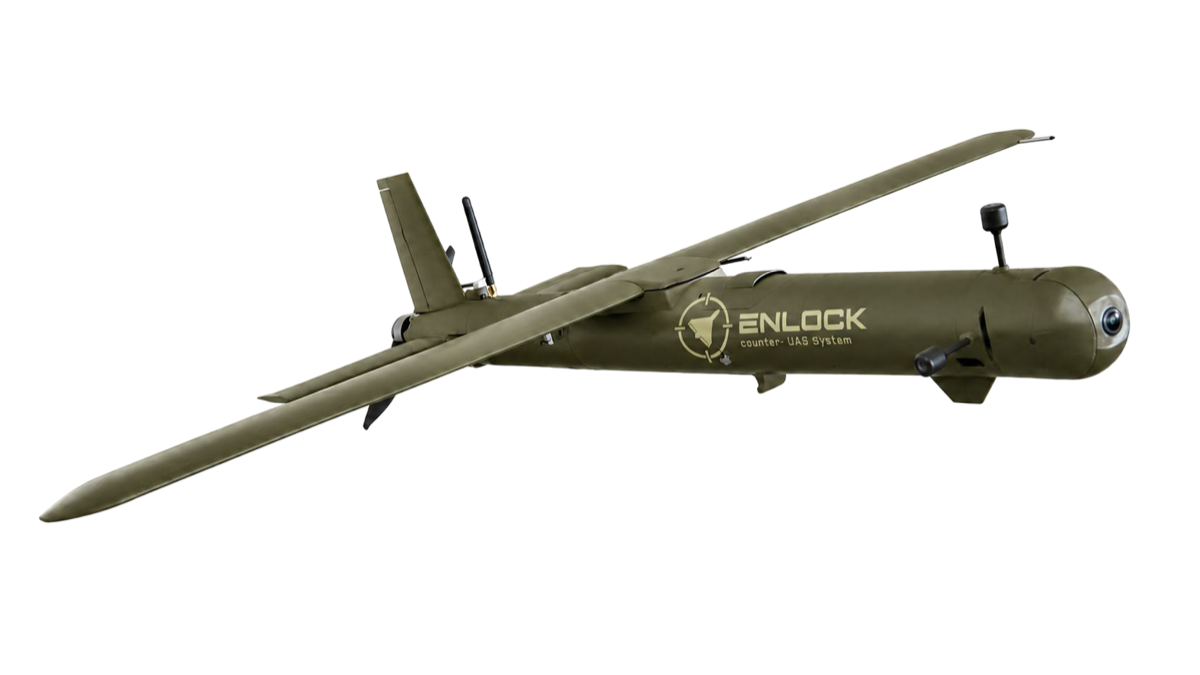
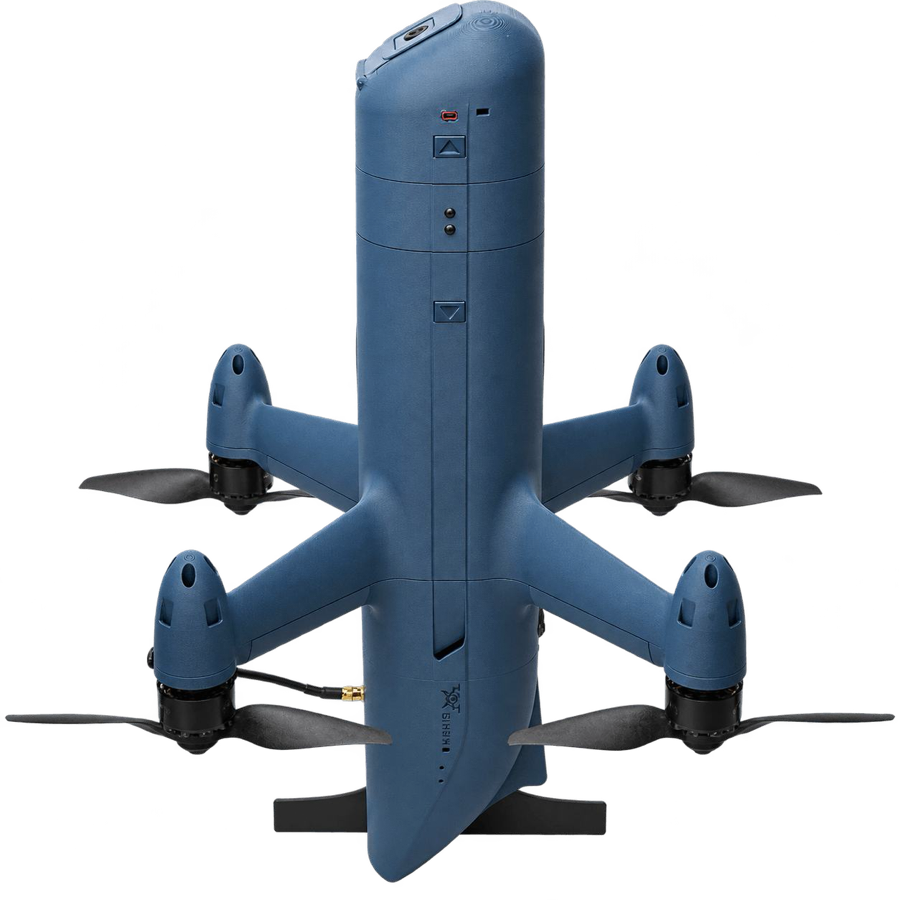
Our Counter-UAS program takes enemy drones out of the sky — physically. ENLOCK and OSIRIS interceptors, guided by one ground segment. Day and night. Under electronic warfare. Without GPS. Proven in combat in Ukraine.
Precision manufacturing, medium-caliber munitions and autonomous counter-drone systems for the world's most demanding defense programs.
Prefer to talk now? Call the Director of Federal Systems — 763-265-2550
Our Counter-UAS program takes enemy drones out of the sky — physically. ENLOCK and OSIRIS interceptors, guided by one ground segment. Day and night. Under electronic warfare. Without GPS. Proven in combat in Ukraine.
Supporting our warfighters by providing the best equipment, the latest technology and a can-do spirit — secure, robust and made only in NATO countries.
FMS-supported production of 20mm, 25mm, 30mm and 40mm projectiles — and the equipment to manufacture them.
Design consultation, precision machining and full-rate production with uncompromising quality control.
Advanced additive processes for defense and aerospace applications.
Cutting-edge technology for the world's most demanding defense programs.
Thorough analysis and understanding of project specifications and objectives.
Customized solutions tailored to meet government standards and regulations.
Rigorous testing and validation to ensure compliance and performance.
Comprehensive training and support for seamless project integration and operation.
Ongoing support and assistance to ensure the long-term success of government projects.
CAGE 95V77 · DUNS 118285419 · SAM UEI WWXBHLQTSWT4 · DDTC M48753 · TIN 87-2397423
From first article to full-rate production — or a live counter-drone demonstration.
Tell us about your program — we reply within one business day.
ITAR-registered · NDA-friendly · Response within one business day